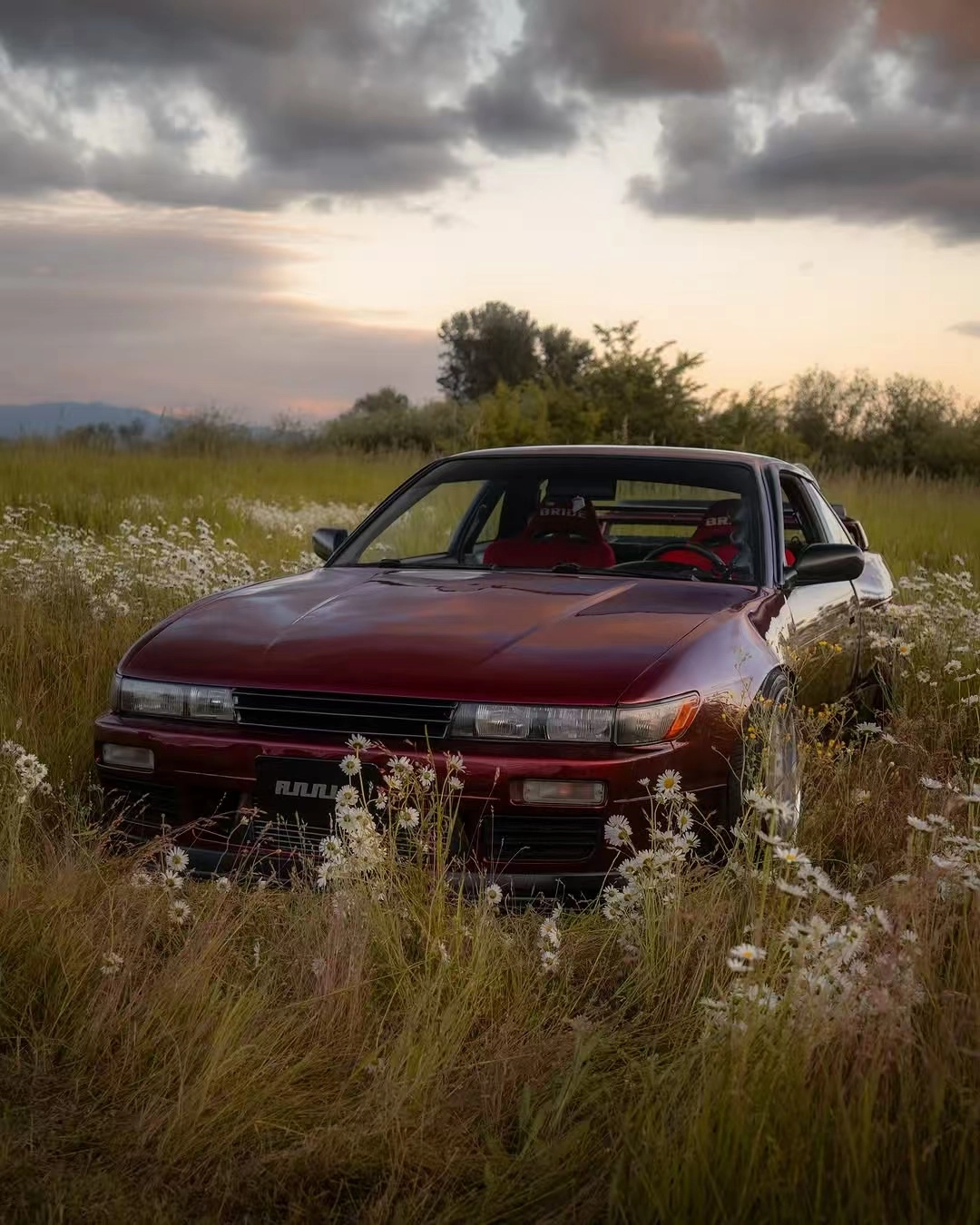
You can give your vehicle a fresh, personalized look with a custom car hood wrap. You need choose materials, select designs, and decide on installation.
Key Takeaways
- Choose the right material for your hood wrap. Car vinyl wrap offers style, while PPF protects your car's paint.
- Decide between DIY or professional installation. DIY saves money, but a professional ensures a perfect finish.
Choosing the Right Hood Wrap Material
Selecting the right material is the first step to a great car hood wrap. Your choice affects the look, durability, and cost of your project. You have many options, from standard colors to unique textures.
Vinyl vs. Other Materials
Vinyl is the most common material for wraps. You will typically choose between two types: cast and calendered vinyl. Another option is Paint Protection Film (PPF). While vinyl focuses on style, PPF is designed for protection.
- PPF: Features self-healing properties. Minor scratches can vanish with heat or sunlight.
- Vinyl Wrap: Lacks self-healing. It primarily offers aesthetic customization.
Popular Finishes: Gloss, Matte, and Satin
The finish determines your car's final look. A glossy car wrap is shiny and reflective, making it easy to clean but also showing minor flaws. A matte finish like the Best Ravoony Matte Romanee Red Car Wrap offers a flat, non-reflective look that hides imperfections but requires special cleaning products. Satin provides a balance, with a subtle sheen that is easier to maintain than matte.
Specialty Finishes: Carbon Fiber and Chrome
For a more dramatic style, you can explore specialty finishes. Carbon fiber wraps offer a realistic, textured appearance. Modern 5D vinyl even has a high-gloss finish that mimics the depth of real carbon fiber. Chrome wraps provide a stunning mirror-like effect.
Note: Chrome is a high-maintenance option. It shows fingerprints easily, has a shorter lifespan, and any damage often requires replacing the entire wrap.
Designing Your Custom Car Hood Wrap
The design phase is where you bring your vision to life. You can choose a simple color swap or a detailed graphic that makes a bold statement. Understanding your options helps you create the perfect look for your vehicle.
Trending Designs and Colors for 2025
You can find many exciting trends for 2025. Dynamic and eye-catching colors are very popular. Consider these top choices:
- Color-Shift Wraps: Films that change from purple to blue offer a futuristic look.
- Rich Greens: Shades like Satin Amazon Green provide a stealthy, natural aesthetic.
- Deep Blues: Navy and sapphire tones give luxury cars a sophisticated feel.
- Custom Graphics: Geometric layouts and street art-inspired designs allow for maximum personal expression.
Simple Color Changes vs. Complex Graphics
You must decide between a solid color and a custom graphic. A simple color change is a cost-effective way to refresh your car’s appearance. Complex graphics, like logos or artistic patterns, offer a unique, personalized style. This option requires more design work and a higher budget but delivers a one-of-a-kind result.
Using Online Configurators
You can preview your ideas with online tools. Configurators help you visualize how a car hood wrap will look on your specific vehicle model.
Tip: Websites like Avery Dennison's Car Wrap Visualizer and 3D Changer let you experiment with different colors and finishes in real-time before you commit.
Working with a Professional Designer
Hiring a professional designer ensures a flawless result for complex graphics. They translate your ideas into a print-ready file. You will need to provide files in the correct format for the best quality.
| Requirement | Best Practice |
|---|---|
| File Format | Vector (AI, EPS, PDF) is preferred for scalability. |
| Color Mode | CMYK ensures colors print accurately. |
A designer handles these technical details, guaranteeing your wrap looks exactly as you imagined.
Installation: DIY vs. Professional
After designing your wrap, you must decide how to apply it. You can install it yourself or hire a professional. This choice impacts the final cost, quality, and your time commitment. Each path has its own benefits and challenges.
The DIY Approach: Tools and Steps
A do-it-yourself installation can be a rewarding project if you have the right tools and patience. Proper preparation is the key to success. Before you begin, you need to gather some essential equipment.
- Squeegee: You will use this tool to apply the vinyl smoothly. It helps push out air bubbles and ensures the wrap adheres properly. A good squeegee can reduce errors by 40%.
- Utility Knife: A sharp knife is crucial for trimming excess vinyl. A 30-degree blade works best for making precise cuts in tight corners.
- Heat Gun: This tool makes the vinyl flexible. You can then stretch it over your hood's curves for a snug fit.
- Measuring Tools: Accurate measurements are essential. You will need a tape measure for the hood's dimensions and a ruler for straight cuts.
- Cleaning Supplies: You must prepare the surface thoroughly. Use isopropyl alcohol and a microfiber cloth to remove all dirt, grease, and residue.
Common DIY Pitfalls to Avoid
Installing a car hood wrap requires careful attention to detail. Rushing the process can lead to mistakes and a poor result. You should be aware of these common errors to ensure a great finish.
- Lack of Surface Preparation: If you fail to clean the hood completely, the wrap may bubble or peel. Dirt and grease prevent the adhesive from sticking correctly.
- Over-stretching the Vinyl: Stretching the material too much can cause it to thin out. This creates visible lines and can lead to adhesive failure over time.
- Insufficient Heat Application: You need to use enough heat to activate the adhesive and help the vinyl conform to the hood's shape. Too little heat can cause the wrap to lift later.
- Improper Trimming: Rough or uneven cuts around the edges will detract from the professional look you want to achieve.
Hiring a Professional Installer
If you want a flawless finish without the stress, hiring a professional is your best option. Certified installers have the training and experience to deliver superior results. Look for installers with industry recognition, such as a PDAA (Professional Decal Application Alliance) certification.
Certified installers are experts in handling different vinyl materials from brands like 3M and Avery Dennison. They know how to prevent bubbles, wrap complex curves, and ensure a seamless finish.
When you contact a potential installer, you should ask several key questions to gauge their expertise:
- Can you show me a portfolio of your previous work?
- What is your process for preparing the car's surface?
- What kind of warranty do you offer on the installation and the material?
- How do you handle seams and wrap the edges for a clean look?
FAQ
Can you wrap a hood with paint damage?
You should not wrap a damaged hood. The vinyl will show imperfections like chips or peeling paint. You must repair the surface first for a smooth, lasting finish.
Does a hood wrap damage my car's paint?
A high-quality wrap protects your factory paint from minor scratches and UV rays. Poor installation or low-quality vinyl, however, can cause damage upon removal.
0 Comments