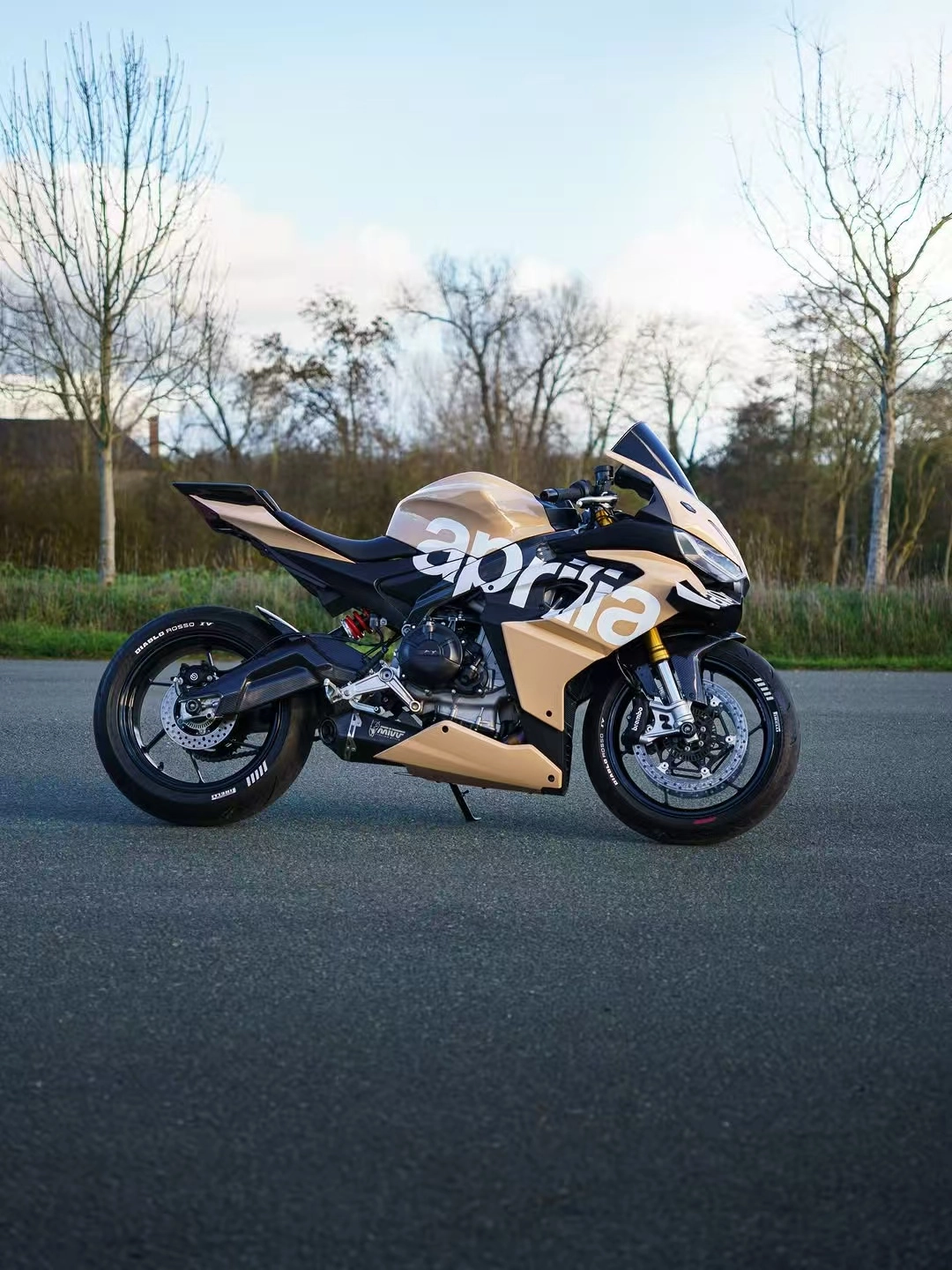
Vinyl wrapping a motorcycle is a rewarding DIY project you can achieve. It saves money and protects paint of motorcycle. You can change its look easily. This guide offers a clear, step-by-step process to vinyl wrap your motorcycle. You can achieve professional-looking results when you wrap a motorcycle.
Essential Tools and Materials for Motorcycle Wraps
How to Choose the Right Motorcycle Wrap
You need to select a high-quality, vehicle-specific vinyl film for your project. This is crucial for durability and ease of application. Ravoony is a premium brand for vehicle wraps. It offers over 500 color options and various finishes. These include glossy, matte, and chameleon effects. This premium PVC film provides excellent durability. It also comes with a warranty, typically 2 to 8 years. Visit www.ravoony.com to see their diverse range and find exclusive discount codes. If you love red, then you definitely shouldn't miss the Best Ravoony Liquid Metallic Dragon Blood Red Car Vinyl Wrap, a classic and timeless color.
Heating Tools for Application
A heat gun is an essential tool for applying vinyl wrap. It helps you stretch the vinyl and conform it to your motorcycle's curves. You also use it for post-heating to ensure the vinyl adheres properly.
| Application Stage | Temperature Range (°C) | Temperature Range (°F) |
|---|---|---|
| Stretching Vinyl | 90°C to 110°C | 194°F to 230°F |
| Post-Heating | 38°C to 44°C | 100°F to 110°F |
Always consult the manufacturer's recommendations for your specific vinyl wrap. Optimal temperatures can vary based on the vinyl type.
Squeegees and Cutting Tools
You will need various squeegees to smooth out the vinyl and remove air bubbles. Silicone PPF squeegees are very effective for cleaning and applying film to curved surfaces. Their flexible silicone blade conforms to your motorcycle's contours. Mini squeegees are ideal for tight corners and smaller surfaces. These are common on a motorcycle.
Surface Preparation Solutions
Proper surface preparation is key for a successful vinyl wrap. You need a mild detergent, water, and a non-abrasive cloth. These remove dirt, grease, or wax from your motorcycle. After drying, apply isopropyl alcohol to the plastics. This provides a final cleaning touch. Thorough cleaning prevents issues like bubbles and wrinkles during application.
Auxiliary Tools for Precision
Other tools will help you achieve a professional finish. These include magnets to hold the vinyl in place. A measuring tape helps you cut the vinyl accurately. Gloves protect your hands and prevent fingerprints on the adhesive.
Preparing Your Motorcycle for Vinyl Wrap
Through Cleaning and Degreasing
You must thoroughly clean your motorcycle before applying any vinyl. This step is crucial for proper adhesion. Start by washing the entire motorcycle with a mild detergent and water. Pay close attention to areas where dirt and grime accumulate. After rinsing, use a degreaser to remove any wax, oil, or stubborn residues. You need to clean the surface meticulously. Any contaminants left behind can prevent the vinyl from sticking correctly. This leads to bubbles or peeling later.
Strategic Disassembly of Parts
For a professional-looking vinyl wrap motorcycle project, you should disassemble certain parts. Removing components allows you to wrap edges and tuck vinyl more effectively. You should remove:
- Mirrors
- The seat
- Any other components that might obstruct the wrapping process
Surface Inspection and Repair
After cleaning and disassembly, inspect your motorcycle's surfaces carefully. Look for any imperfections that could show through the vinyl. You need to address these issues now. Common problems include:
- Scratches on plastic and fiberglass fairings
- Dents on plastic and fiberglass fairings
- Cracks on plastic and fiberglass fairings
- Dents on metal parts
- Scratches on metal parts
- Rust on metal parts
You must repair these before wrapping. Use appropriate fillers for significant imperfections. Sand smooth any repaired areas. The vinyl will highlight any bumps or divots underneath.
Final Surface Wipe-Down
Perform a final wipe-down just before you begin applying the vinyl. Use isopropyl alcohol on all surfaces you plan to wrap. This removes any last traces of dust, oils, or cleaning residues. You want to clean the surface one last time. A lint-free cloth works best for this step. Ensure the motorcycle is completely dry before proceeding. This final preparation guarantees the best possible adhesion for your vinyl.
Understanding the Vinyl Wrap Installation Process
You must work slowly and patiently during the vinyl wrap installation process. This is crucial for beginners. Taking your time ensures a smooth and professional finish.
Measuring and Pre-Cutting Vinyl
You begin the vinyl wrap motorcycle installation process by measuring. Measure the area you want to cover on your motorcycle. Always cut the vinyl slightly larger than the actual panel. This gives you extra material to work with. You can trim the excess later. This step ensures you have enough material for proper coverage.
Positioning and Initial Tack
Carefully position the vinyl from one edge. Start from a fixed point. Dry-fit the vinyl loosely. This checks alignment and fit. Do this before you apply pressure. Gradually peel back the backing paper. Smooth the wrap down with a squeegee. This immediately pushes out air bubbles and wrinkles. Work at a controlled pace. Maintain tension without overstretching. Gentle heat application helps. Use a heat gun or hairdryer. Warm the vinyl evenly. This makes it more elastic. It also makes it conformable to complex curves. Heat activates the adhesive for a secure bond. Apply heat moderately. This avoids shrinking or damaging the wrap. Heat activation is crucial. It transforms the vinyl into a supple material.
Squeegee Application for Smoothness
Use a squeegee to press the vinyl. Start from the center. Move towards the edges. Use firm, even pressure. This action pushes out trapped air. Apply the vinyl in smaller sections. Do not try to do the entire piece at once. This method gives you more control. It reduces the chance of air bubbles. Avoid rushing during application. This prevents misalignment and air bubbles. If misalignment or air bubbles appear, stop. Lift and reposition the vinyl. You can also puncture small bubbles with a pin. Then smooth them out with the squeegee. Gradually peel the backing paper away. Use the squeegee to smooth the vinyl from the center outwards. This helps eliminate air bubbles.
Heating and Stretching for Contours
Heating helps the vinyl conform to your motorcycle's curves. For stretching and conforming vinyl wrap to complex curves, use 'forming heat'. This is about 40–55 °C. This temperature helps without making the vinyl too thin. The ideal ambient temperature for wrapping is between 20 and 25 degrees Celsius. For stretching the vinyl, the temperature should be between 40 and 60 degrees Celsius. 50 degrees Celsius is a common point for shaping.
Trimming Excess Vinyl for Clean Edges
After applying the vinyl, you need to trim the excess. This creates clean, professional edges. Apply gentle heat to the vinyl wrap edges. This makes them smooth for folding. Fold the edges neatly. Trim any excess vinyl material. Use a sharp blade. This achieves a clean and polished finish.
Mastering Corners and Edges
Wrapping complex corners and edges requires special techniques. Heat guns are essential. They soften the vinyl. This makes it pliable. It allows the vinyl to stretch into tight corners. It also helps it go around vents and edges. This prevents tearing. Heat also activates the adhesive's bond. Squeegees are crucial for gentle, precise smoothing. They push out trapped air. They ensure crisp adhesion along all edges. This prevents wrinkles and bubbles. After positioning, you trim and seal. Trim excess vinyl. Leave a thin edge margin, about 3mm. Then seal this margin. You can carefully roll the film over edges. Or you can use knifeless tape for clean lines. A final heat application helps cure the adhesive. This locks the wrap securely in place. It solidifies its shape. It also enhances longevity. It increases resistance to lifting. Use high-quality vinyl. Automotive-grade films with air-release technology are best. These materials stretch and conform seamlessly. This helps with bubble-free installation. It also ensures durability. This is key when you wrap a motorcycle.
Troubleshooting Common Application Issues
You might encounter some issues during the application of the wrap. Producing print and cut files for motorcycle wrapping can be challenging. This is due to complex shapes and contours. You need to account for overlaps and bleed areas. This prevents gaps or uneven coverage. You can use prepress software like PrimeCenter. This simplifies the preparation of print and cut files. This software checks, corrects, sorts, groups, and prepares files for production. It helps reduce errors and media waste. It also increases productivity. It addresses issues like missing cutting instructions, font problems, transparency, resolution, sizing, and color inaccuracies. Patience and careful attention to detail will help you overcome most challenges in the installation process.
0 Comments