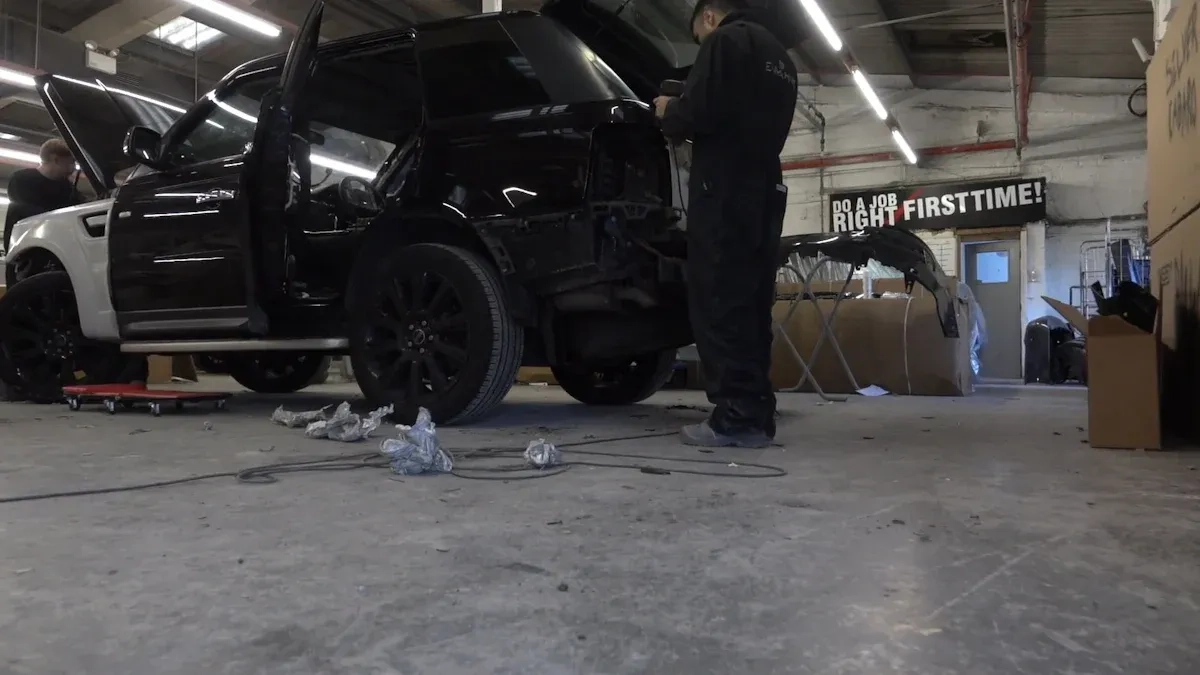
Safely performing vehicle wraps removal is essential for protecting your car's paint. Many owners are concerned about potential damage during the removal process. Utilizing professional techniques minimizes these risks, ensuring your vehicle remains in top shape.
Tools for Wrap Removal
When you prepare for vehicle wraps removal, having the right tools is crucial. Using the correct equipment can make the process smoother and protect your vehicle's paint. Here are the essential tools you will need:
Heat Gun or Hair Dryer
A heat gun is one of the most effective tools for removing vehicle wraps. It provides a temperature range from 100°C to 600–700°C, allowing you to soften the adhesive effectively. In contrast, a hair dryer reaches a maximum temperature of around 130–140°C. While a hair dryer can help soften glue, it may not be sufficient for heavy-duty tasks.
Tip: Always start with a lower temperature on your heat gun. Gradually increase the heat to avoid damaging the paint. Keep the heat gun moving to distribute heat evenly.
Plastic Scraper
Using a plastic scraper is highly recommended for wrap removal. Its non-abrasive surface effectively lifts the wrap while protecting your vehicle's paint from scratches. Unlike metallic tools, which can harm the paint job, a plastic scraper ensures a clean removal.
Adhesive Remover
After removing the wrap, you may find adhesive residue left behind. Using a suitable adhesive remover is essential for eliminating this residue without harming your vehicle's paint.
Note: Choosing the right car wrap is important. Premium car wraps often use higher-quality adhesives. For example Ravoony Plus Wrap is designed with a high-quality adhesive that won't leave residue upon removal. This characteristic simplifies the wrap removal process, ensuring a clean finish without damage. Their product the Best Ravoony Liquid Metallic Dragon Blood Red Car Vinyl Wrap, a metallic wrap, is a good choice for someone who want stand out from the crowd.
By using these tools and following the right techniques, you can successfully remove vehicle wraps while preserving your car's paint.
Wrap Removal Process
Removing a vehicle wrap requires careful attention to detail. Follow these steps to ensure a smooth and painless removal process.
Preparing the Vehicle
Before you start the wrap removal, take some time to prepare your vehicle. Here are the essential steps:
- Clean the Surface: Wash your vehicle thoroughly. Remove dirt and grime to prevent scratches during the removal process.
- Gather Your Tools: Ensure you have all necessary tools ready. This includes a heat gun, plastic scraper, adhesive remover, and microfiber towels.
- Inspect the Wrap: Check the condition of the vinyl wrap. If it’s sun-baked or older than five years, you may need to take extra precautions.
Heating the Wrap
Heating the wrap is crucial for effective removal. Here’s how to do it:
- Set the Heat Gun: Adjust your heat gun to a temperature between 90°C to 110°C (194°F to 230°F). This range makes the vinyl pliable without damaging the paint.
- Apply Heat Evenly: Move the heat gun back and forth over a small section of the wrap. Avoid concentrating heat in one spot to prevent overheating the vinyl.
- Check for Flexibility: Once the vinyl feels warm and flexible, it’s ready for peeling.
Peeling Off the Wrap
Now that the wrap is heated, you can begin the peeling process. Follow these steps:
- Start at the Edges: Use your plastic scraper to lift the edge of the wrap gently. This helps you get a good grip.
- Peel at a Low Angle: Pull the vinyl back at a controlled angle of 25–40°. This reduces the risk of tearing and minimizes stress on the paint.
- Heat as You Go: If you encounter resistance, apply more heat just ahead of the peel line. This keeps the adhesive soft and allows for easier removal.
Caution: Avoid using metal tools. They can scratch the paint and cause damage.
Cleaning Residue
After removing the wrap, you may find adhesive residue left behind. Here’s how to clean it effectively:
- Use Adhesive Remover: Apply a suitable adhesive remover like isopropyl alcohol or Rapid Remover. These products break down the adhesive without harming the paint.
- Scrub Gently: Use a microfiber towel to wipe away the residue. If needed, mix dish soap with warm water for a natural cleaning solution.
- Final Wipe Down: After removing all residue, give the area a final wipe with a clean towel to ensure no cleaning agents remain.
By following these steps, you can successfully navigate the wrap removal process while protecting your vehicle's paint.
Common Mistakes in Vehicle Wrap Removal
Rushing the Process
Many people rush the vehicle wrap removal process, thinking it will save time. However, this approach often leads to several issues. You might tear the wrap, leaving unsightly damage. Rushing can also result in stubborn adhesive residue, which requires extra effort to clean. Frustration often follows when you realize that haste complicates the task.
Using Metal Tools
Using metal tools during the wrap removal process can be tempting, but it poses significant risks. Metal tools can create micro-scratches that become visible under sunlight. They can also scratch or gouge the vehicle's surface, leading to expensive repairs. Instead, opt for plastic scrapers and pry tools designed specifically for this task. These tools help you avoid damaging the paint while effectively removing the wrap.
Ignoring Weather Conditions
Weather conditions play a crucial role in the success of your wrap removal. Ignoring them can lead to complications. For instance, excessive heat from direct sunlight can cause the adhesive to bond more strongly to the surface. This makes removal more difficult. Cold temperatures can make the vinyl brittle, increasing the risk of tearing. Aim to work in a shaded or indoor environment with moderate temperatures for optimal results.
By avoiding these common mistakes, you can ensure a smoother and safer wrap removal process.
FAQ
How long does it take to remove a vehicle wrap?
Removing a vehicle wrap typically takes 1 to 3 hours, depending on the wrap's condition and size.
Can I remove the wrap myself?
Yes, you can remove the wrap yourself using the right tools and techniques. Just follow the steps carefully.
Will removing the wrap damage my paint?
If you follow proper removal techniques, you can safely remove the wrap without damaging your vehicle's paint.
0 Comments