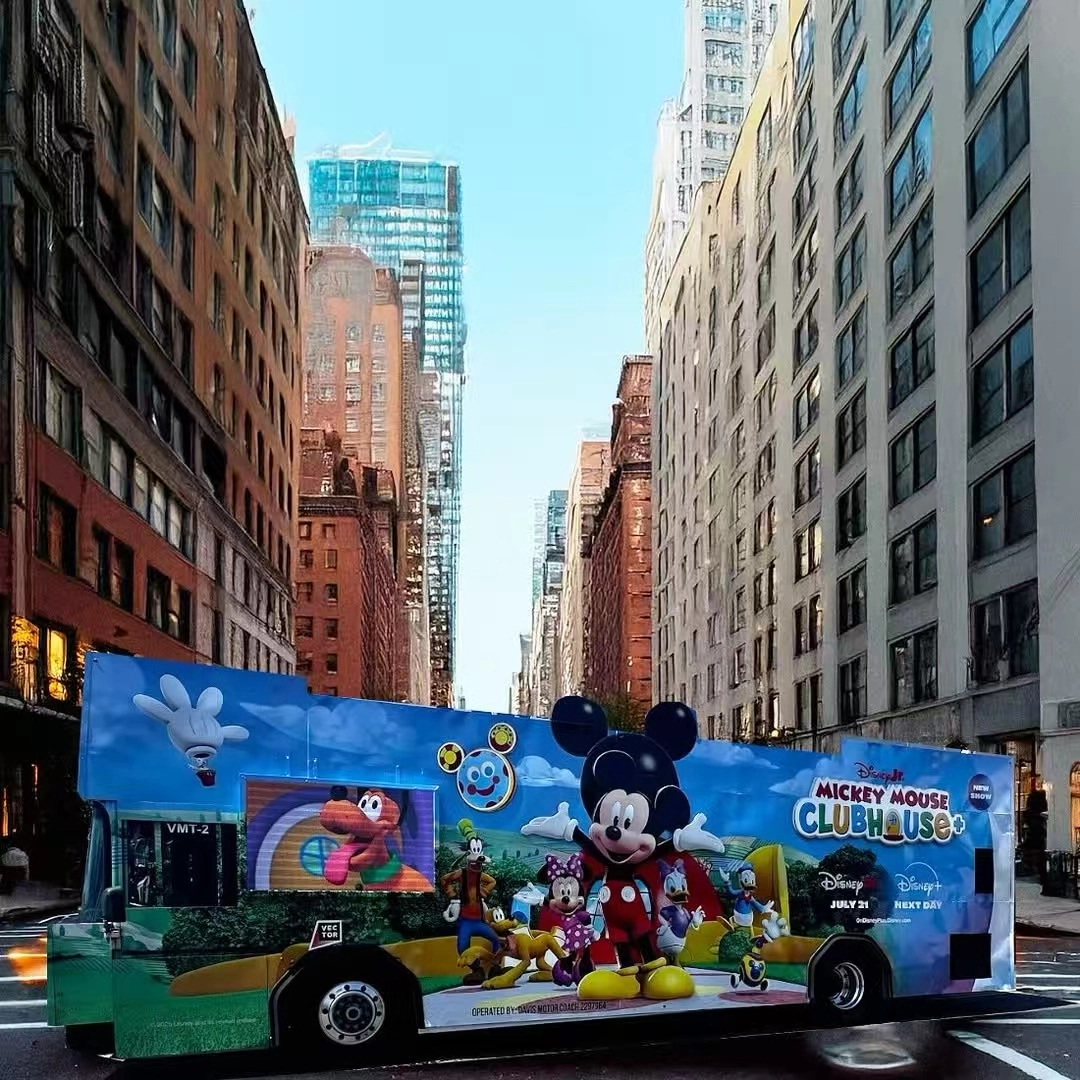
Bus wraps offer powerful mobile advertising. These vehicle wraps also provide excellent vehicle protection. Choose the right bus wrap material. This choice ensures both aesthetic impact and long-term durability for your bus wrap. A quality bus wrap boosts brand visibility and delivers a strong ROI.
Bus Wrap Material Types
Choosing the right bus wrap material is crucial. Your choice impacts the overall performance and appearance of your bus wrap. You have several types of vinyl materials available. Each type offers distinct characteristics. High-quality PVC film forms a common base for durable bus wrap material.
Cast Vinyl Films
Cast vinyl films represent a premium choice for bus wraps. Manufacturers create these films by pouring a liquid PVC mixture onto a moving matrix. They then heat it to evaporate solvents. This process results in a very thin, flexible, and stable vinyl. You will find cast vinyl highly conformable. It easily wraps around complex curves and rivets on a bus. This makes it ideal for full bus wraps. Cast vinyl also resists shrinking and fading. It maintains its vibrant colors for many years. This durability makes it a smart investment for long-term advertising.
Calendered Vinyl Films
Calendered vinyl films offer a more economical option. Manufacturers produce these films by rolling and heat-pressing solid PVC material through rollers. This process creates a thicker vinyl. Calendered vinyl is less stretchy and conformable than cast vinyl. It works best for flat surfaces or simple curves.
Bus Wrap Durability Factors
The longevity of your bus wrap depends on several critical factors. You must understand these elements. They ensure your investment provides lasting visual impact and protection.
Material Quality and Composition
The composition of the vinyl directly impacts how long your bus wrap lasts. Thicker vinyl generally offers greater resistance. It protects against abrasions, fading, and tearing. This provides enhanced protection against minor impacts and scratches. This increased resilience benefits long-term applications. It also helps vehicles with high traffic exposure. An optimal thickness range of 3.0 to 4.5 mils is often recommended for vehicle wraps. This range balances flexibility for installation and robust resistance. It protects against environmental factors like UV exposure and weather fluctuations. Superior wraps use thicker, more flexible vinyl. This extends the wrap's lifespan. It minimizes creases and bubbles during application and use.
Adhesive Strength and Longevity
A strong, reliable adhesive is very important for the overall durability of your bus wrap. The adhesive keeps the vinyl securely attached to the bus. A weak adhesive can lead to peeling, bubbling, and premature failure.
Several factors influence the adhesive bond strength over time:
- Surface preparation: The surface must be thoroughly clean. It needs to be free of grease, wax, and dirt. It must also be completely dry. This allows the adhesive to form a robust bond. Moisture under the wrap weakens the adhesive bond.
- Environmental conditions during application: Temperature and humidity levels are crucial. Cold stiffens the adhesive. Heat makes it too soft. Both negatively affect its tack. An ideal temperature range is between 73°F and 79°F (23°C to 26°C).
- Proper installation techniques: Apply the vinyl lightly at first for repositioning. Then, use firm, even pressure with a squeegee. This presses the wrap down and removes air. Post-heating complex areas like edges and recesses locks the adhesive bond.
- Quality of vinyl and adhesive: Poor quality vinyl can lead to poor adhesion. It can also cause cracking and tearing. This is due to inferior adhesive quality.
- Type of adhesive: Pressure-sensitive adhesives (PSAs) are engineered for long-lasting performance. Solvent-based variants are especially durable. They resist harsh environmental elements. These include UV rays, temperature fluctuations, moisture, and chemicals. Aqua-based PSAs offer dependable adhesion. They have good UV resistance. They suit short- to medium-term applications better than solvent-based options.
This section covers durability factors. It helps you understand what makes a bus wrap last. Choosing the best car wrap material means considering all these points.
Bus Wrap Design and Visual Impact
Your bus wrap is a powerful visual tool. It captures attention and communicates your message. The design and visual impact of your bus wrap directly influence your brand visibility.
Print Quality and Resolution
High-quality visuals are essential for an effective bus wrap. You need sharp, clear images. For large vehicle graphics, a resolution of 38 DPI often appears acceptable. People view these graphics from 10 feet or more, or while driving by. A resolution of 72 DPI is sufficient for good viewing at 4 feet or more. This is ample for vehicle graphics. Some large wraps can even have images at 30 DPI. They are then exported at 150 DPI for the final print. This ensures your bus wrap looks professional.
Color Vibrancy and Graphics
Vibrant colors make your bus wrap stand out. You want eye-catching graphics. The right inks ensure maximum color vibrancy and outdoor durability. Solvent inks offer superior outdoor durability, lasting over five years. They produce rich and vibrant colors, making them ideal for a bus wrap. Eco-solvent inks are also a strong option. They provide good durability and vibrant colors. Latex inks are durable for outdoor use and cure instantly. UV-curable inks are extremely durable and scratch-resistant. They offer excellent image quality and color fidelity.
Conformability for Complex Shapes
Buses have many curves, rivets, and recessed panels. Your vinyl wrap must conform smoothly to these shapes. This property is essential for a seamless bus wrap. Standard vinyl offers excellent flexibility. It conforms well to complex contours. Cast vinyl, a premium choice, offers superior conformability. It has very high flexibility. This makes it perfect for long-term branding and high-exposure areas. This flexibility ensures your vinyl wrap looks painted on.
Finish Options Matte Gloss and Textured
You can choose different bus wrap designs with various finishes. Each finish creates a unique look.
- Matte finishes offer a modern, understated look. They highlight vehicle contours and design lines. Matte car wrap like the Best Ravoony Matte Black Car Vinyl Wrap effectively conceal minor imperfections like scratches and small dents. They also reduce glare and reflection.
- Gloss finishes reflect light. They make colors pop and become the center of attention. A gloss vinyl wrap is easy to clean. It is also fade-resistant and scratch-resistant. It accentuates the curves of the vehicle.
- Textured finishes add another dimension. They can mimic materials like carbon fiber or brushed metal.
Full Bus Wrap Coverage Options
You have several options for covering your bus. A full bus wrap covers the entire vehicle. This provides maximum exposure for your advertising. It transforms the bus into a moving billboard. You can also choose a partial wrap. A partial bus wrap covers only a section of the bus. This is a cost-effective way to achieve significant advertising impact. Bus decals offer smaller, targeted advertising. They are perfect for logos or specific messages. All these options enhance your brand visibility.
0 Comments