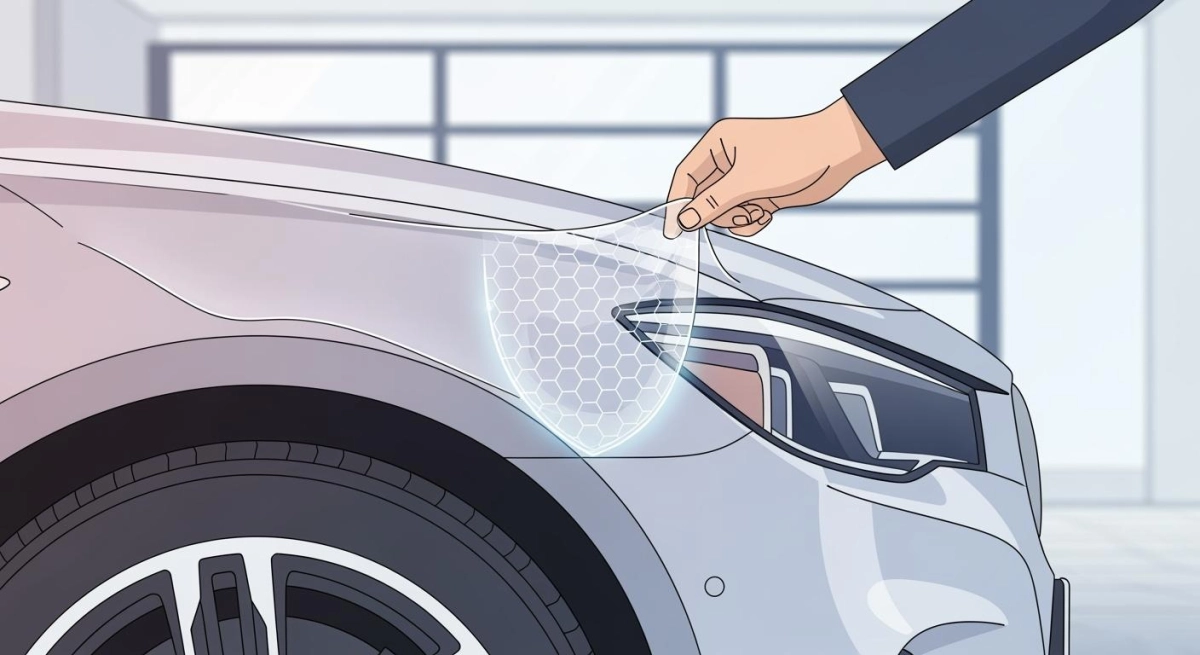
You can shield your car's paint with Paint Protection Film. It is a transparent, durable urethane film applied directly to your vehicle's surfaces. This invisible layer protects your paint from rock chips and minor scratches. A recent survey shows 70% of luxury car owners choose this protection soon after buying their vehicle.
Key Takeaways
- Paint Protection Film (PPF) acts like an invisible shield for your car's paint. It stops rock chips, scratches, and damage from harsh weather.
- PPF costs money upfront, but it saves you money later. It protects your car's paint, which keeps its value high for resale.
- You can combine PPF with ceramic coating for the best protection. PPF stops physical damage, and ceramic coating makes your car shiny and easy to clean.
What Does Paint Protection Film Actually Protect Against?
You invest in your car's appearance. Naturally, you want to keep its paint looking flawless. Paint Protection Film offers a robust defense against the daily hazards your vehicle faces on the road and even when parked. It acts as a sacrificial layer, absorbing damage so your factory paint does not have to. Let's explore the specific threats this invisible armor neutralizes.
Impact and Abrasion Damage
Your car's front end is a magnet for flying debris. Driving on highways or through construction zones exposes your paint to constant attack. This is where PPF truly shines, providing a physical shield against direct impacts.
Modern films are made from a durable material called thermoplastic urethane (TPU). This material is remarkably elastic and strong. Its thickness, typically ranging from 6 to 12 mils, allows it to absorb the force from common road hazards. The film effectively guards against:
- Rock chips from gravel roads or highway driving
- Scratches from road debris
- Minor scuffs from accidental bumps
- Abrasions from sand and salt in winter
Industry bodies like the ASTM and SAE have standards to test film performance. In these tests, projectiles are fired at the film at high speeds to measure its puncture resistance, ensuring it can handle real-world conditions.
Environmental and Chemical Threats
Damage isn't always from impact. Your car's paint is also vulnerable to chemical and environmental contaminants that can stain, etch, and degrade the finish over time. A high-quality Paint Protection Film creates a non-porous barrier between these harsh substances and your clear coat.
This invisible shield protects your vehicle from a variety of threats:
- UV Rays: Sunlight contains ultraviolet rays that cause paint to fade and oxidize. PPF contains UV inhibitors that block these harmful rays, preserving your car's vibrant color.
- Acidic Contaminants: Bird droppings, bug splatter, and acid rain contain corrosive acids. These can eat into your paint, leaving permanent etch marks. PPF prevents them from making contact, allowing you to simply wipe them away.
- Tree Sap and Water Spots: Sticky tree sap and mineral deposits from hard water can bond to your paint. The film provides a smooth surface that prevents these from sticking, making cleanup much easier.
Because the film is chemically resistant, it won't stain or degrade when exposed to these elements. It ensures your car's finish remains as pristine as the day the film was applied.
Is PPF Worth the High Cost?
You may see the price tag for a professional Paint Protection Film installation and wonder if it's a justifiable expense. The initial cost is significant. However, understanding what goes into the price and the long-term financial benefits helps you see it as an investment in your vehicle's future.
The Long-Term Value
While the upfront cost is high, PPF delivers significant long-term financial returns. You can think of it as a shield that actively saves you money over time.
First, you avoid the high cost of paint repairs. A single rock chip or scratch can lead to a costly visit to the body shop for touch-ups or repainting. PPF can reduce these repair costs by up to 80% over your vehicle's lifetime. An investment in front-end PPF can prevent thousands of dollars in potential repair bills.
Over five years, the savings from avoided repairs can far exceed the initial cost of the film. For example, a $1,200 partial PPF installation could save you nearly $4,000 in repairs over five years, creating a clear return on your investment.
Second, PPF dramatically boosts your car's resale value. A vehicle with a pristine, factory-fresh finish is far more attractive to potential buyers.
- Higher Resale Price: Cars with PPF can retain up to 15% more of their original value. One owner reported selling his protected vehicle for $2,000 more than similar unprotected models.
- Buyer Confidence: A study found that over 70% of used car buyers prioritize exterior condition. The presence of PPF signals that you have meticulously cared for your vehicle, building trust and encouraging higher offers.
- Preserved Appearance: The film's UV inhibitors prevent paint from fading. One owner noted that after years of parking in direct sunlight, their car's paint remained as vibrant as day one.
Ultimately, the value of PPF extends beyond numbers. It provides peace of mind. You can drive daily without worrying about every loose piece of gravel or stray shopping cart. Protecting your investment gives you one less thing to worry about, letting you simply enjoy your car.
PPF vs. Ceramic Coating: Which is Right for You?
When protecting your car's paint, you will often hear about both Paint Protection Film and ceramic coatings. They are both excellent options, but they serve very different purposes. Understanding their unique strengths helps you decide which solution fits your needs.
Physical Shield vs. Chemical Gloss
Your choice between PPF and a ceramic coating comes down to the type of protection you want. One offers a physical barrier, while the other provides a chemical shield that enhances gloss.
- Paint Protection Film is a thick, durable layer. It physically absorbs impacts to stop rock chips, scuffs, and deep scratches.
- Ceramic Coating is a liquid polymer. It creates a slick, glossy surface that repels water and dirt, making your car easier to clean. It does not protect against rock chips.
While both can have similar starting costs, their functions are distinct.
Note: Think of it this way: PPF is like a screen protector for your phone, guarding against cracks. A ceramic coating is like the oleophobic layer that resists fingerprints and smudges.
Combining Forces for Ultimate Protection
You do not have to choose just one. For the highest level of defense, you can apply a ceramic coating directly over your PPF. This combination gives you the best of both worlds.
- Enhanced Hydrophobic Properties: The coating makes the film's surface extremely water-repellent.
- Easier Cleaning: Dirt and grime wash away effortlessly from the slick, coated surface.
- Improved Aesthetics: The ceramic coating adds a deep, glossy shine to the film.
- Prolonged Lifespan: The coating adds another layer of UV and chemical resistance, helping the PPF last even longer.
This dual-layer approach ensures your vehicle is protected from physical impacts while looking incredibly glossy and staying clean.
The Lifespan and Maintenance of PPF
You made an investment in your car's protection. Now you want to make sure it lasts. With proper care, your Paint Protection Film can serve you well for many years. Understanding its lifespan and maintenance needs helps you get the most value from your invisible armor.
How Long Does PPF Last?
A high-quality film like the Best Ravoony TPU Paint Protection Film(Ravoony Ravoony ppf) can last between 7 and 10 years. The quality of the installation plays a huge role. A professional job prevents early peeling and bubbling, while a DIY attempt may fail in just a couple of years.
However, environmental factors also affect longevity. Constant UV exposure can make the film brittle over time. Extreme heat or cold can also stress the material. You will know it is time for a replacement if you see the film yellowing, peeling at the edges, or bubbling up.
Caring for Your "Invisible Armor"
Proper care is simple and keeps your film looking great. You should wash your car regularly to remove contaminants like bird droppings and bug splatter before they can cause damage.
Pro Tip: Always use a pH-neutral car soap and a soft microfiber wash mitt. Wash in straight lines, not circles, to avoid creating swirl marks. Avoid automatic car washes with harsh brushes, as they can damage the film.
You should also avoid certain products and actions to protect your investment.
- Never use abrasive cleaners or polishes.
- Stay away from petroleum-based products like tar removers.
- Do not use high-pressure washers directly on the film's edges.
Following these simple steps will ensure your car’s armor stays strong and clear for years to come.
You can see Paint Protection Film is the top choice for physical defense. It preserves your car's factory finish, potentially boosting resale value by 10-15%. While the cost is an investment, it buys you long-term peace of mind.
�� Next Step: Always consult a certified installer. They can provide an accurate quote and help you choose the best coverage for your vehicle.
FAQ
Can you see the film once it's installed?
A high-quality film is virtually invisible after installation. Its optical clarity is excellent. You will only notice the added gloss and protection on your vehicle's paint.
Can PPF be removed?
Yes, you can have the film professionally removed. A skilled technician uses heat and specific techniques to ensure your original paint remains undamaged and intact underneath.
Can I wash my car normally with PPF?
Yes, you can wash your car. You should wait a few days after installation. Use a pH-neutral soap and avoid aiming high-pressure washers at the film's edges.
0 Comments