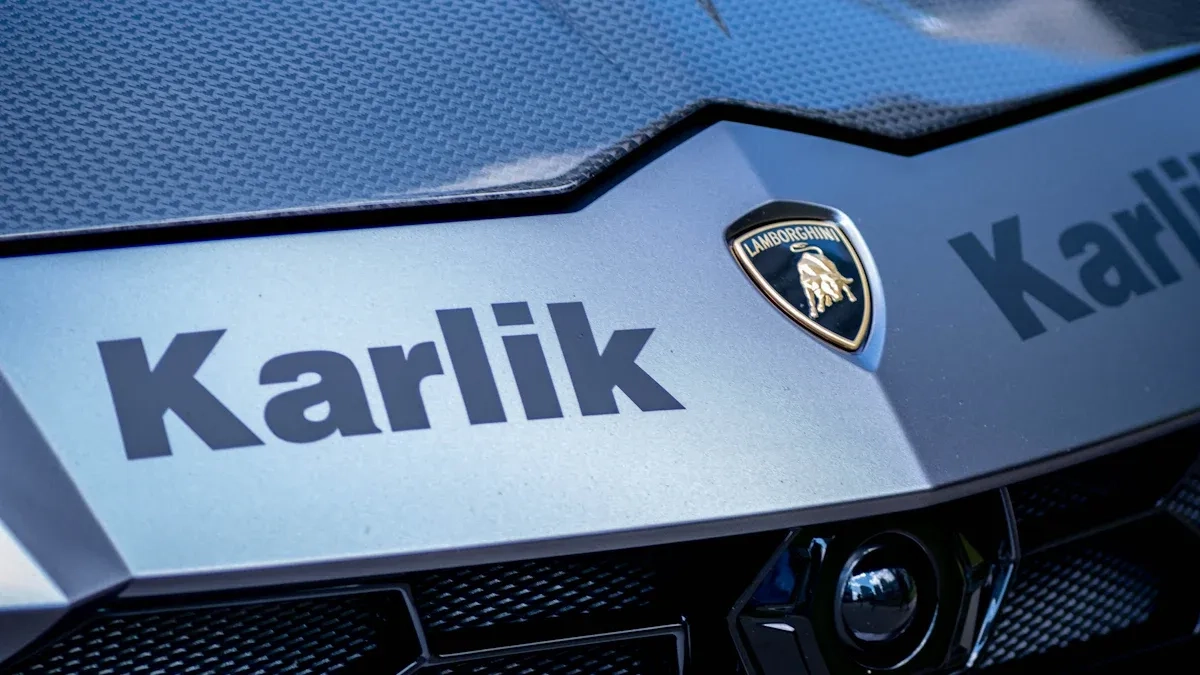
A carbon fiber hood wrap is a high-quality car vinyl wrap you apply to your car's hood. It offers a cost-effective way to achieve a high-performance aesthetic. This modification also provides a protective layer for your vehicle's original paint, guarding it against minor scratches and sun damage.
Key Takeaways
- A carbon fiber hood wrap makes your car look sporty and protects its paint from damage.
- You can choose to install the wrap yourself or hire a professional for a perfect finish.
Benefits of a Carbon Fiber Hood Wrap
A carbon fiber hood wrap offers you more than just a new look. It provides several practical advantages for your vehicle. You can upgrade your car's style while adding a functional layer of protection.
Achieve a High-Performance Look
You can give your car an instant aggressive and sporty appearance. The wrap mimics the distinct weave of real carbon fiber. This modification allows you to achieve a high-end, performance-inspired aesthetic without committing to a permanent and expensive body panel replacement.
Protect Your Original Paint
Your vehicle's hood is vulnerable to damage from daily driving. A vinyl wrap acts as a durable shield over your factory paint. It guards against many types of road debris.
Note: A wrap can help protect your paint from:
- Loose gravel and stones
- Sand and salt from winter roads
- Tar and sticky road residue
- Minor scratches from tree branches
Cost-Effective Alternative
You can get the carbon fiber look for a fraction of the price of other options. A professional wrap is significantly more affordable than a high-quality repaint or installing a genuine carbon fiber hood.
How to Choose the Right Film
Selecting the right vinyl is the most important step in your project. You need to consider the film's finish, brand quality, and the correct size for your vehicle. Making the right choice ensures your carbon fiber hood wrap looks great and lasts for years.
Gloss, Matte, or Textured Finishes
You can choose from several finishes to match your desired style. Each type offers a unique look and has different maintenance needs. Gloss finishes provide a realistic, wet look, while matte and textured options offer a more subtle or aggressive appearance.
| Finish Type | Visual Characteristics | Maintenance & Other Notes |
|---|---|---|
| Gloss | High-shine, reflective surface that mimics realistic, resin-coated carbon fiber. | Shows fingerprints and imperfections easily; requires frequent cleaning. |
| Matte | Smooth, non-reflective surface for a modern and stealthy appearance. | Hides dirt well but can show scratches; offers no reflective glare. |
| Textured (3D/4D/5D) | Features a raised weave pattern for a three-dimensional effect. | Texture can trap dust; 5D offers the most realistic look but is harder to install. |
Measuring Your Hood for Vinyl
You must measure your hood accurately to buy the right amount of vinyl. Use a flexible measuring tape to find the length and width of your hood at its widest points.
Pro Tip: Always add at least 4-6 inches to both your length and width measurements. This extra material gives you room for error and helps you wrap the edges properly.
Installation: DIY vs. Professional
After choosing your film, you face the next big decision: installation. You can either hire a certified professional for a flawless finish or tackle the project yourself for a rewarding hands-on experience. Your choice depends on your budget, confidence, and desired outcome.
Why Hire a Professional Installer
Hiring a professional installer is the surest way to get a perfect result. These experts have the experience and specialized tools to handle any challenge. They work in controlled environments to prevent dust and debris from getting under the vinyl. A pro delivers a bubble-free, seamless finish that looks like it came from the factory.
DIY Installation Step-by-Step
A DIY installation can be a satisfying project if you are patient and detail-oriented. Follow these steps carefully for the best results.carbon fiber hood wrap
Step 1: Gather Your Tools ��️ You will need specific tools to do the job right. Having everything ready beforehand makes the process much smoother.
- Squeegee: A felt-tipped squeegee helps you apply pressure without scratching the vinyl.
- Utility Knife: Use a sharp knife with a 30-degree blade for clean, precise cuts.
- Heat Gun: This tool makes the vinyl flexible so you can stretch it over curves.
- Measuring Tape: You need this for accurate measurements and alignment.
- Cleaning Supplies: Use isopropyl alcohol and a clean microfiber cloth for surface prep.
Step 2: Prepare the Surface Your hood must be perfectly clean. Wash it thoroughly to remove dirt and wax. Wipe the entire surface with isopropyl alcohol to eliminate any remaining oils or residue. Any speck of dust left behind will show up as a bump under the wrap.
Step 3: Position the Vinyl Lay the vinyl sheet over the hood with the backing paper still on. Position it so you have extra material hanging over all four sides. Use masking tape to hold one side in place, creating a hinge.
Step 4: Apply and Squeegee Fold the vinyl back over the hinge. Peel a section of the backing paper away. Gently lay the exposed vinyl onto the hood. Using your squeegee, apply firm, overlapping strokes from the center outwards. This pushes air out and prevents bubbles. Work in small sections until the entire hood is covered.
Step 5: Use Heat for Curves Use your heat gun on a low setting to warm the vinyl over any curves or complex shapes. The heat makes the material pliable. Gently stretch it into place and use your squeegee to secure it.
Step 6: Trim the Excess Once the vinyl is applied, use your utility knife to trim the excess material around the edges. Tuck about a quarter-inch of vinyl around the underside of the hood for a clean, secure finish. Go back over all edges with the heat gun to post-heat the vinyl, which locks its shape and adhesive.
Common Mistakes to Avoid
A DIY installation can go wrong quickly. You should be aware of common pitfalls to ensure a professional-looking outcome.
| Mistake | How to Avoid It |
|---|---|
| Poor Surface Prep | Clean your hood meticulously with soap, water, and isopropyl alcohol. Even a tiny speck of dirt will create a noticeable bump. |
| Overstretching the Vinyl | Use heat to make the vinyl flexible, but do not pull on it excessively. Overstretching thins the pattern and weakens the adhesive. |
| Using Too Little Heat | Insufficient heat will prevent the vinyl from conforming to curves. This can cause the wrap to lift or bubble up later. |
| Rushing the Process | Take your time. Work slowly and methodically, especially when using the squeegee. Rushing leads to air bubbles and creases. |
| Improper Trimming | Use a very sharp blade for trimming. A dull blade can tear the vinyl and leave a jagged edge. Cut carefully for a clean line. |
A carbon fiber hood wrap is a smart upgrade, offering both style and protection. You get the best results with a quality film and proper installation. With simple care, your wrap will look great for years. If you want to wrap your car hood with carbon fiber vinyl wrap, you can choose Ravoony carbon fiber car wrap, which is a good choice for a newbie.
FAQ
Can you remove a carbon fiber wrap?
Yes, you can remove the wrap. A professional can safely take it off. This process reveals the original paint underneath without causing damage.
Will the wrap damage my car's paint?
A quality wrap actually protects your paint. It acts as a shield. However, removal may damage poor or aftermarket paint jobs.
How long does a hood wrap installation take?
A professional installation typically takes 2 to 4 hours. This includes time for thorough surface preparation and careful application of the vinyl.
0 Comments